Government eyes handing NTSA’s smart driving licence programme to private investor
The shift comes as authorities try to complete the long-delayed modernisation initiative designed to bring order and reliability to Kenya’s transport licensing system.
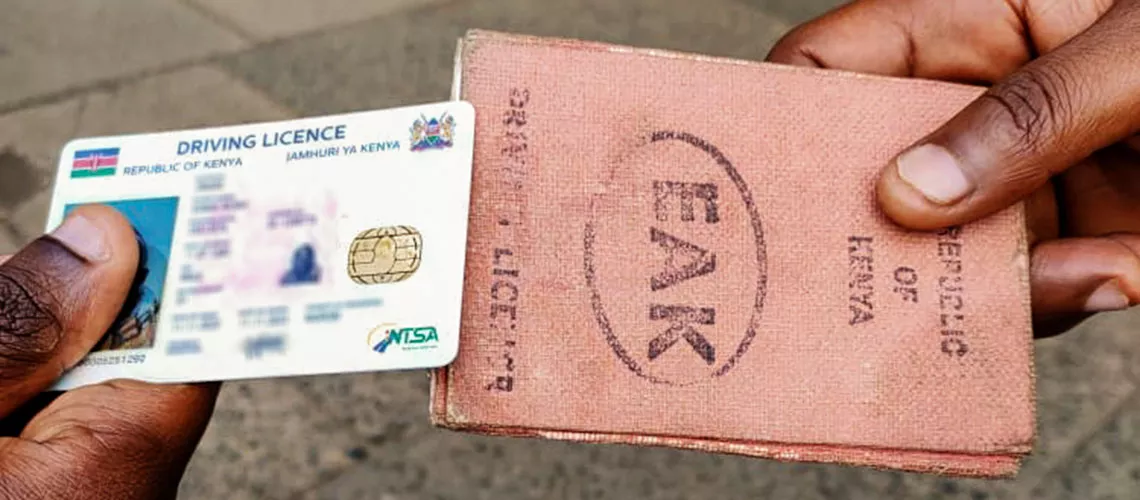
Kenya is now considering handing over the management of its smart driving licence programme to private investors after years of underwhelming performance by the National Transport and Safety Authority (NTSA).
The move comes in the wake of repeated delays in issuing chip-based driving licences, which have fallen short of planned targets.
More To Read
- NPS announces heightened security, road safety measures ahead of festive season
- Mombasa cracks down on speeding ahead of festive season as road deaths soar
- Government sets 14-day deadline to end student bursary delays nationwide
- Treasury: Kenya can no longer rely on taxes or borrowing for big infrastructure projects
- World Bank warns political interference weakening Kenya’s state-owned enterprises
- NTSA raises alarm as road deaths climb to 4,458 in 2025
Officials say motorists are increasingly opting for electronic, system-generated licences instead of the three-year smart cards, contributing to the slow progress.
The NTSA report submitted to the National Treasury reveals that only 2.1 million of the targeted five million smart driving licences have been issued since the programme began in 2017.
The project was launched under a $21.09 million agreement with the National Bank of Kenya, which was responsible for supplying and maintaining the cards.
The bank has since been taken over by Access Bank Plc, and more than four million blank cards were delivered under the contract.
“The uptake of smart driving licences has been slow. The project is under consideration for transitioning to PPP,” the Transport department stated in its budget submission.
The report shows that in the financial year ending June 2025, NTSA printed 342,492 licences, missing the target of 400,000 by 57,508 cards.
This represented a setback from the previous year when 369,155 licences were issued against a lower target of 350,000, thanks to intensified enrolment campaigns.
NTSA explained the shortfall, saying, “The target [was] not achieved due to preference for a yearly electronic driving license as opposed to the three-year smart driving license.”
Government officials believe that transferring the programme to a public-private partnership could improve efficiency, ensure faster delivery, and reduce operational challenges in managing the country’s transport sector.
The shift comes as authorities try to complete the long-delayed modernisation initiative designed to bring order and reliability to Kenya’s transport licensing system.
Top Stories Today